
Fabrics That Need Dry Cleaning: Top 4 & 30% Less Damage
Columbia Pike Laundry offers pickup & delivery across Northern Virginia.
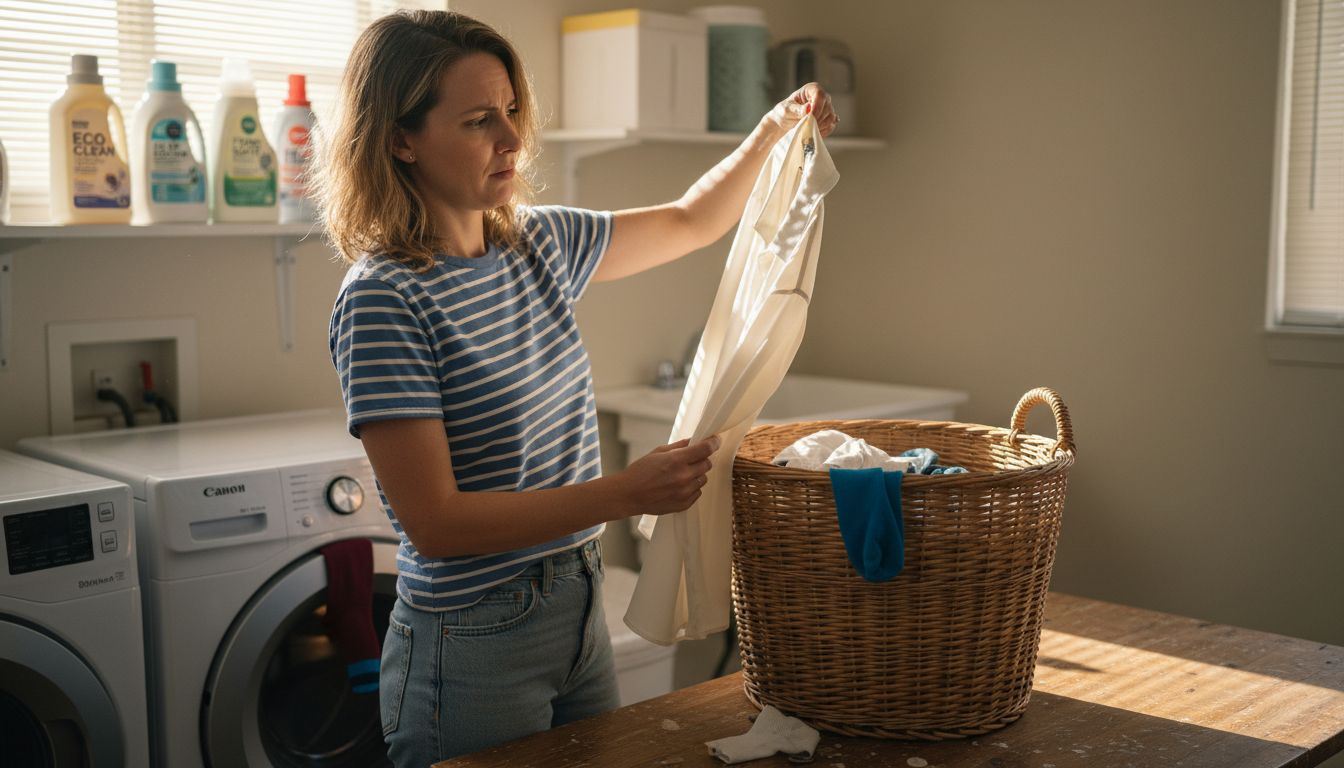
Sorting laundry shouldn’t feel like a chemistry exam. Yet many Arlington families and professionals face real anxiety about which garments must be dry cleaned and which can survive a spin cycle. The stakes are high: improper home washing damages up to 40% of delicate garments, turning treasured pieces into costly mistakes. This guide clarifies the criteria for evaluating dry cleaning necessity, identifies vulnerable fabric types, and connects you with convenient local solutions that preserve your wardrobe while reclaiming your time.
Key Takeaways
| Point | Details |
|---|---|
| Fabric sensitivity varies | Silk, wool, rayon, and acetate typically require professional dry cleaning to avoid irreversible damage. |
| Care labels guide decisions | ISO 3758 symbols standardize cleaning instructions internationally, making garment care straightforward. |
| Home washing risks damage | Water-sensitive fabrics suffer shrinkage, fading, and structural distortion when washed improperly at home. |
| Local services save time | Arlington pickup and delivery dry cleaning offers express turnaround with professional quality control. |
| Proper care extends garment life | Choosing the right cleaning method protects your investment and maintains professional appearance. |
How to Decide Which Fabrics Need Dry Cleaning
Fiber type determines how a fabric responds to water. Natural proteins like silk and wool absorb moisture differently than cellulose fibers such as rayon, and each reacts with unique vulnerabilities. Garment construction matters too: structured blazers with shoulder pads, canvas interfacing, or delicate linings complicate home washing even if the outer fabric seems durable.
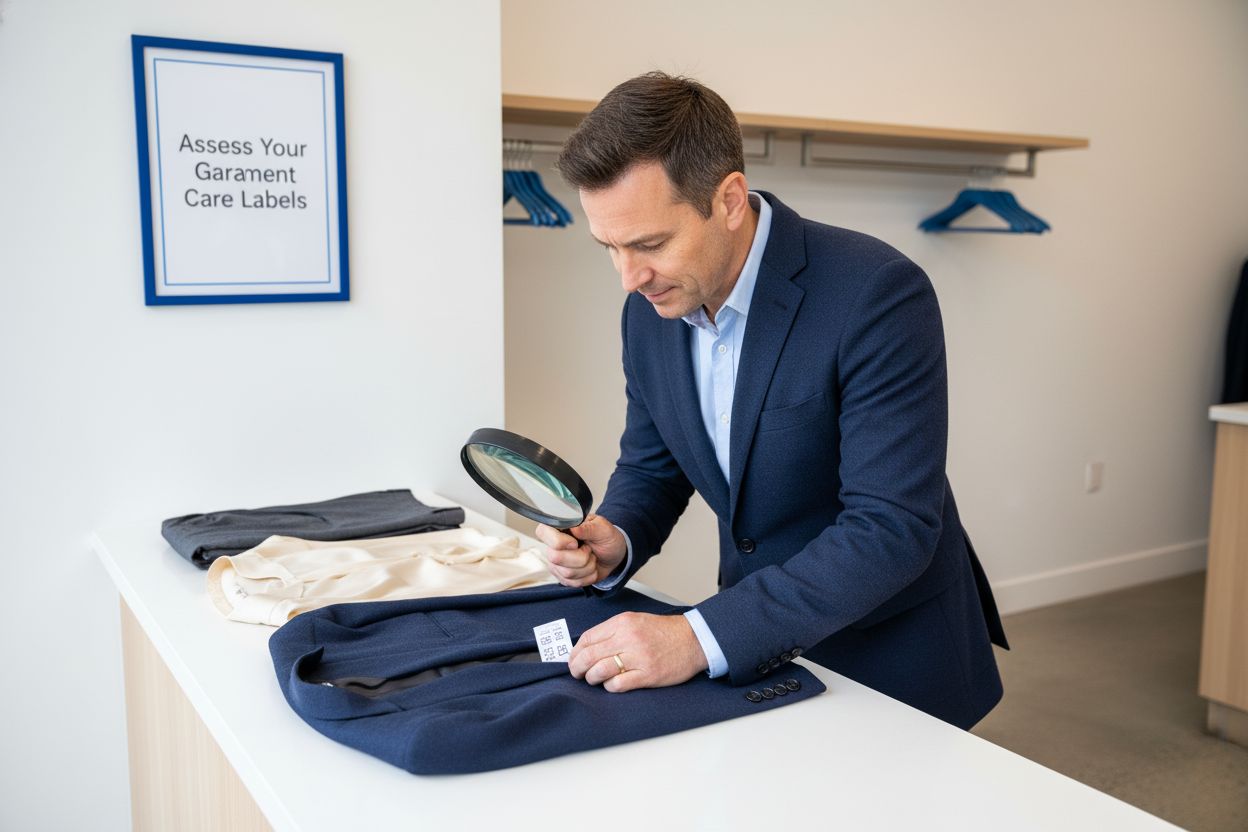
Fabric care labels per ISO 3758 standardize cleaning guidance worldwide. A circle symbol indicates dry cleaning, with letters inside specifying solvent types: P for perchloroethylene, F for hydrocarbon solvents. An X through the circle prohibits dry cleaning entirely. Text phrases like “Dry Clean Only” leave no room for interpretation.
Combining fiber identification with label reading creates a reliable decision framework. Check the label first, then assess fiber content on the secondary tag. Understanding why some fabrics require dry cleaning prevents guesswork and protects your wardrobe investment.
Pro tip: When labels are missing or faded, default to dry cleaning for silk, wool, rayon, acetate, or garments with linings and structured details.
Quick evaluation checklist:
- Identify fiber content from garment tags
- Locate and decode ISO care label symbols
- Check for structural elements like linings or embellishments
- Consider garment value relative to cleaning cost
- When uncertain, choose professional dry cleaning
Fabrics That Need Dry Cleaning
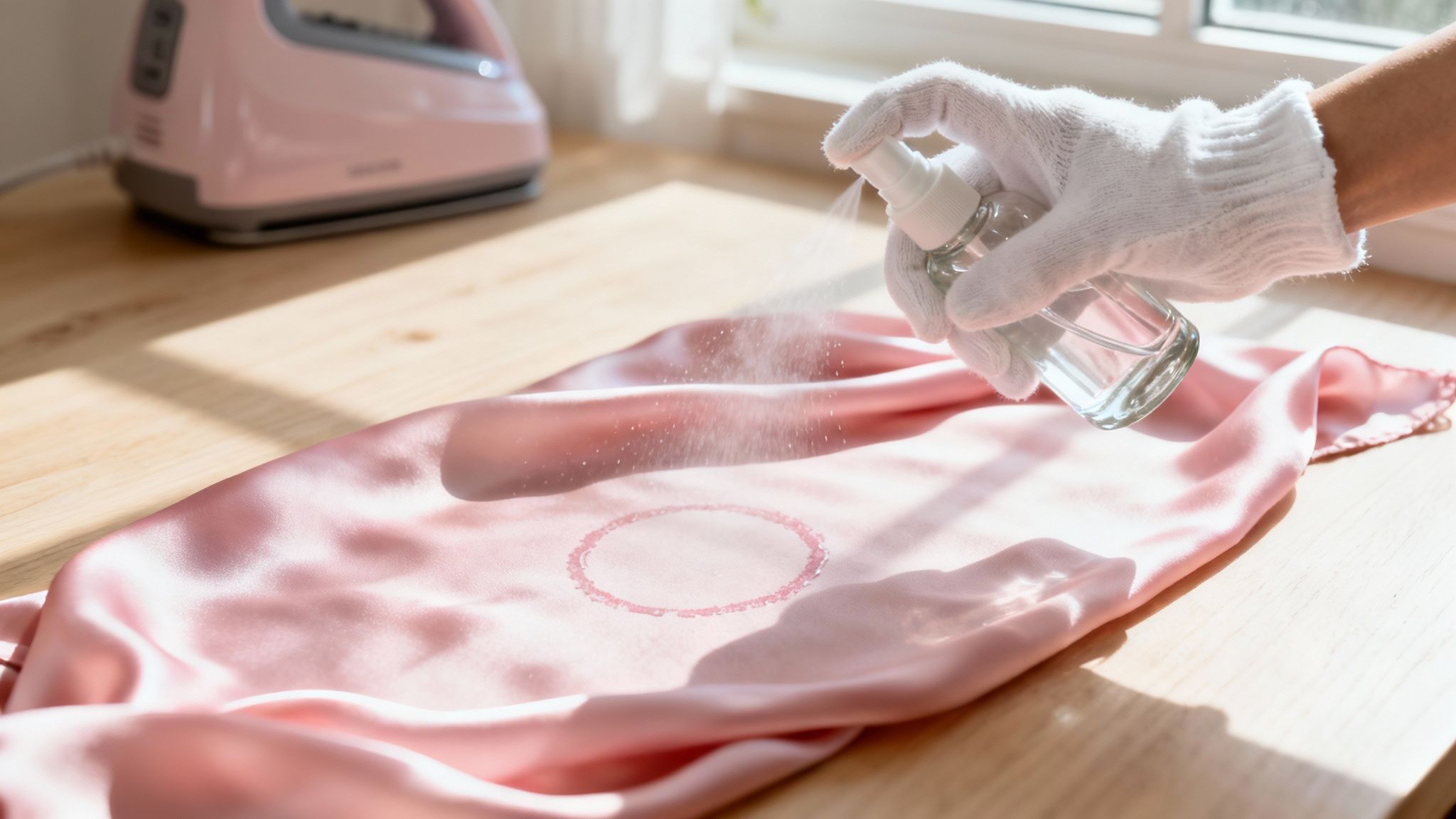
Silk’s lustrous finish and delicate protein fibers make it vulnerable to water damage. Moisture causes fiber swelling, water spots, and permanent dullness. Dry cleaning preserves silk’s natural sheen while removing oils and stains that water-based detergents cannot address effectively.
Wool shrinks dramatically with home washing, sometimes losing up to 30% of its original size. The fiber’s scale structure interlocks when agitated in water, creating permanent felting. Professional dry cleaning maintains wool’s resilience, shape, and soft texture without triggering this destructive reaction.
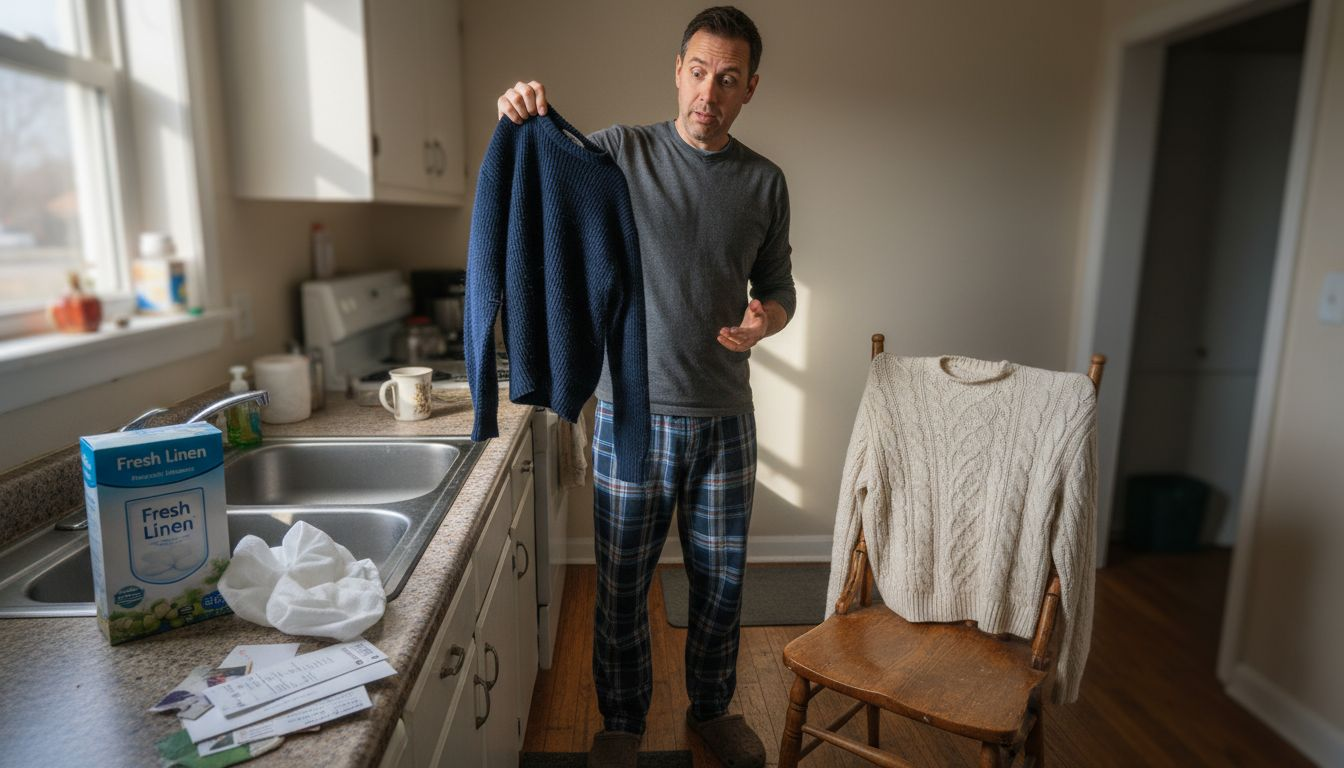
Rayon garments lose shape and shrink by up to 15% when exposed to water. This regenerated cellulose fiber weakens dramatically when wet, leading to distortion and pilling. The manufacturing process leaves rayon prone to dimensional instability that only solvent-based cleaning can safely navigate.
Acetate presents extreme water sensitivity. Dry cleaning prevents the 100% shrinkage risk and complete fabric distortion that water washing causes. Heat and moisture together destroy acetate’s structure entirely, making professional solvent cleaning the only viable option for garments containing this fiber.
| Fabric Type | Shrinkage Risk | Water Sensitivity | Recommended Cleaning |
|---|---|---|---|
| Silk | Low | Very High | Dry clean only |
| Wool | Up to 30% | High | Dry clean preferred |
| Rayon | Up to 15% | Very High | Dry clean only |
| Acetate | Up to 100% | Extreme | Dry clean only |
| Linen | 3-5% | Moderate | Machine wash cold |
Pro tip: Always test a hidden seam or hem area before attempting home washing on any questionable fabric, though professional cleaning remains the safest choice for fabrics known to need special care.
Additional vulnerable fabrics:
- Velvet and velour lose pile texture with water washing
- Leather and suede require specialized solvent cleaning
- Taffeta and faille maintain crispness only through dry cleaning
- Brocade and jacquard weaves risk pattern distortion
Garments That Need Dry Cleaning
Professional attire forms the backbone of many Arlington wardrobes. Suits, blazers, and dress pants contain interfacing, shoulder pads, and structured linings that lose shape and integrity when immersed in water. The investment in quality workwear demands protection through proper cleaning methods that maintain crisp lines and professional appearance.
Coats and structured outerwear present similar concerns. Water washing damages interlining materials, causes lining separation, and destroys the three-dimensional shaping that defines quality outerwear. Wool coats, in particular, risk severe shrinkage and matting that ruins fit and function permanently.
Delicate dresses and formalwear combine vulnerable fabrics with intricate construction. Evening gowns with beading, sequins, or embroidery require gentle solvent cleaning to preserve embellishments. Cocktail dresses often feature multiple fabric types, linings, and structural elements that respond differently to water, making home washing impossibly risky.
Garment categories requiring professional care:
- Tailored suits and blazers with interfacing
- Wool and cashmere coats
- Formal dresses with embellishments
- Pleated skirts and trousers
- Garments with contrasting fabric panels
- Items with leather or suede trim
Understanding which garments need professional attention protects your wardrobe investment while maintaining the polished appearance Arlington professionals require.
Risks of Home Washing Delicate Fabrics
Shrinkage represents the most visible and irreversible damage from improper washing. Wool and rayon suffer up to 30% and 15% shrinkage respectively when exposed to water and agitation. A perfectly fitted blazer becomes unwearable after a single wash cycle, with no recovery possible.
Color fading affects silk and vibrant synthetics dramatically. Water-based detergents strip dyes that solvent cleaning leaves intact. Dark silks lose depth and richness, while printed fabrics experience uneven fading that ruins patterns and creates permanent discoloration.
Structural damage extends beyond simple shrinkage. Seams pucker, hems twist, and fabric texture changes permanently when fibers swell and contract during washing and drying. Professional garments lose their tailored appearance, and delicate fabrics develop permanent wrinkles or distortion that pressing cannot correct.
Up to 25% of garments marked dry clean only suffer permanent damage from home washing attempts. The actual risk varies by fabric and construction, but the consequences remain consistently costly when damage occurs.
“Following care label instructions isn’t optional for delicate garments. The chemical and mechanical forces in home washing machines exceed what vulnerable fabrics can withstand, and the damage is almost always permanent and complete.” — Textile Care Expert
Common damage types from improper washing:
- Fiber felting and matting in wool
- Color bleeding between fabric panels
- Lining separation and bunching
- Button and embellishment loss
- Permanent creasing and wrinkles
Recognizing these risks helps you avoid costly mistakes while making informed decisions about garment care methods.
How Dry Cleaning Works
Dry cleaning uses chemical solvents instead of water to remove soils and stains. Perchloroethylene, the most common solvent, dissolves oils and greases that water-based detergents cannot touch. The process cleans thoroughly without causing fiber swelling, color bleeding, or the structural damage that moisture triggers.
Solvent cleaning particularly excels at removing oil-based stains like makeup, body oils, and food grease. These substances resist water but dissolve readily in dry cleaning solvents. The mechanical action in professional machines is gentler than home washers, protecting delicate fabrics and embellishments throughout the cleaning cycle.
Modern dry cleaning addresses environmental concerns through solvent recycling and filtration. Professional facilities capture and reuse solvents, reducing waste while maintaining cleaning effectiveness. The closed-loop systems in quality operations minimize environmental impact substantially compared to older methods.
Professional finishing completes the dry cleaning process. Steam pressing restores garment shape, removes wrinkles, and maintains crisp lines that home ironing cannot achieve. Attention to details like collar points, seams, and pleats ensures garments return in pristine, ready-to-wear condition.
Key advantages of solvent-based cleaning:
- No water contact prevents shrinkage and swelling
- Superior oil and grease stain removal
- Gentle mechanical action protects fabrics
- Professional pressing maintains structure
- Solvent recycling reduces environmental impact
Learning how professional dry cleaning protects your garments helps you appreciate the value of this specialized service.
How to Interpret Fabric Care Labels
ISO 3758 symbols create a universal language for garment care. These standardized icons appear on labels worldwide, eliminating confusion across manufacturers and countries. The system uses five basic symbol shapes: wash tub for washing, triangle for bleaching, circle for dry cleaning, iron for pressing, and square for drying.
A circle with the letter P indicates professional dry cleaning using perchloroethylene or similar solvents. This marking appears on most garments requiring professional care. A circle with F specifies gentler hydrocarbon solvents for particularly delicate items. A circle with an X through it prohibits dry cleaning entirely, warning that solvents will damage the fabric.
Text instructions supplement symbols on many garments. “Dry Clean Only” leaves no ambiguity, while “Dry Clean” suggests professional cleaning as preferred but not mandatory. Some labels include cautionary phrases like “gentle cycle” or “no steam,” providing additional guidance for professional cleaners.
Understanding these markings empowers confident care decisions. When labels show a wash tub with an X, home washing is prohibited regardless of your skill or caution. Multiple symbols together indicate the safest cleaning path, with dry cleaning symbols taking precedence for mixed-instruction garments.
Essential care label symbols:
- Circle with P: dry clean with perchloroethylene
- Circle with F: dry clean with hydrocarbon solvent
- Circle with X: do not dry clean
- Empty circle: professional dry cleaning recommended
- Underline beneath symbol: gentle process required
Reading fabric care labels correctly prevents damage and ensures garments receive appropriate professional attention.
Local Dry Cleaning Services and Convenience in Arlington, VA
Pickup and delivery services eliminate the time burden of traditional dry cleaning. Instead of driving to a cleaner, waiting in line, and returning days later, Arlington residents can schedule home or office collection through online platforms. Your garments receive professional in-house cleaning while you focus on work, family, or leisure.
Express turnaround options accommodate urgent needs. Standard service typically delivers cleaned garments within 48 hours, but express options can reduce this to 24 hours for business travel or special events. This flexibility ensures you always have access to professionally maintained wardrobes without advance planning stress.
Quality control improves when cleaners perform all work in-house rather than outsourcing to third-party facilities. Direct accountability means consistent results, responsive communication about stain treatment options, and careful attention to special instructions. Arlington residents comparing local dry cleaners consistently prioritize this quality assurance.
Columbia Pike Laundry exemplifies this convenient model with a straightforward three-step process. Schedule pickup online or through the app, receive professional cleaning with customizable preferences, and have cleaned garments returned to your door. The system accommodates busy schedules while ensuring pickup and delivery service in Arlington remains accessible and reliable.
Advantages of local dry cleaning services:
- Pickup and delivery eliminate transportation time
- Online scheduling fits any schedule
- In-house cleaning ensures quality control
- Express options meet urgent deadlines
- Local service builds trust and accountability
Cost and Turnaround Comparison
Professional dry cleaning typically costs $8 to $15 per garment, varying by item complexity and fabric type. Suits, coats, and formal dresses command higher prices than simple blouses or trousers, reflecting the labor and expertise required. Home washing appears cheaper on paper, but hidden costs accumulate when damage occurs.
Turnaround time varies by service level. Standard dry cleaning delivers results in two to three business days, suitable for routine wardrobe maintenance. Express service reduces this to 24 to 48 hours, ideal for business travel or event deadlines. Home washing offers immediate availability but demands significant personal time for sorting, washing, drying, and ironing.
The value calculation depends on garment worth and replacement cost. A $500 suit damaged by improper washing represents catastrophic loss compared to a $12 dry cleaning fee. Time savings matter too: professionals comparing dry cleaning versus laundering often find the convenience premium worthwhile.
| Method | Cost Per Item | Turnaround | Key Benefits | Primary Risks |
|---|---|---|---|---|
| Professional Dry Cleaning | $8-$15 | 24-72 hours | Fabric preservation, expert stain removal, professional pressing | Higher cost per item |
| Home Washing | $1-$3 | Immediate | Lower direct cost, instant availability | 15-30% damage risk, time investment, potential garment loss |
| Express Dry Cleaning | $12-$20 | 24 hours | Speed plus quality, urgent deadline accommodation | Premium pricing |
Cost-benefit considerations:
- High-value garments justify professional care costs
- Time savings offset price differences for busy professionals
- Damage risk makes home washing expensive long-term
- Express service balances speed with garment protection
Summary Recommendations and Situational Picks
-
Silk garments and formalwear: Always choose professional dry cleaning. The 40% damage risk from home washing makes DIY attempts financially reckless, and silk’s value demands expert solvent cleaning to maintain luster and longevity.
-
Wool suits and professional attire: Use express local dry cleaning for maintenance between wears. The convenience of pickup service combined with 24-48 hour turnaround keeps your work wardrobe ready without storage or transportation hassle.
-
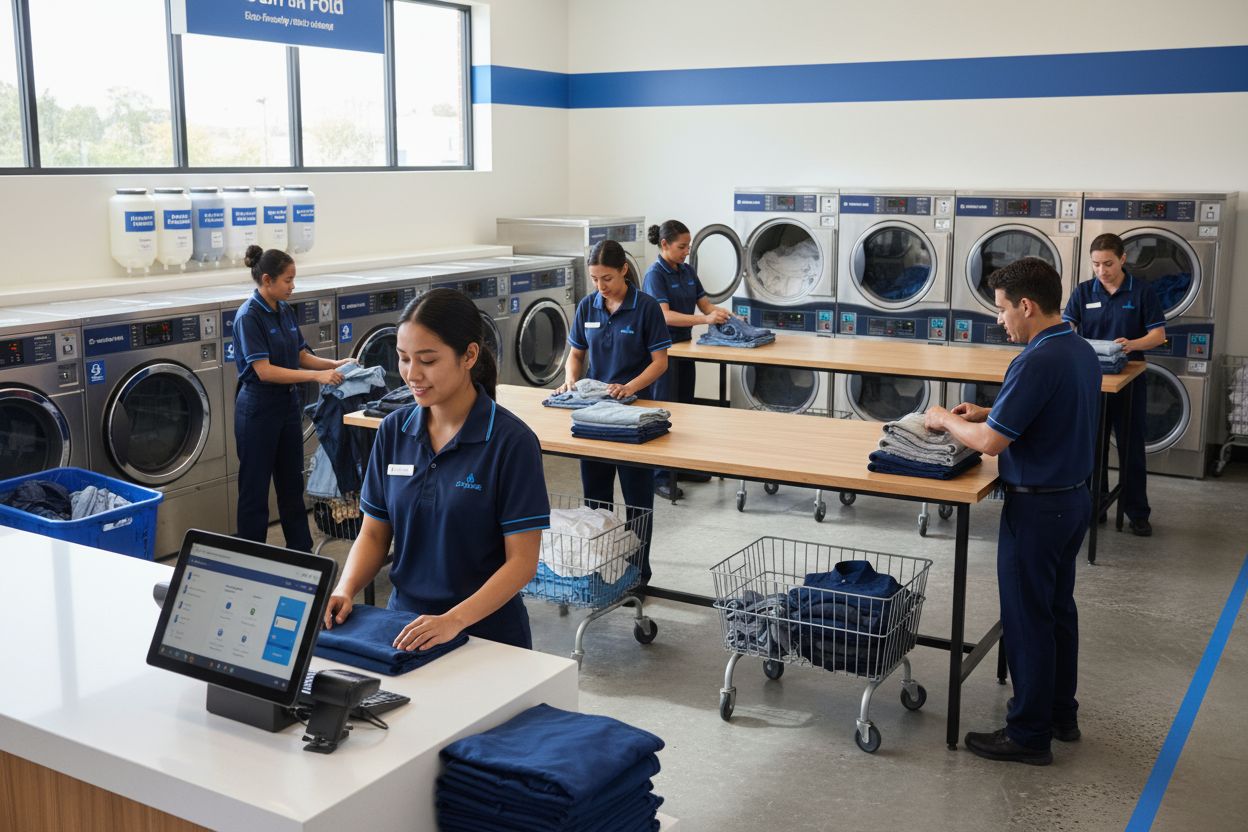
Mixed laundry households: Combine wash and fold service with dry cleaning pickup. Schedule regular collections that handle everyday cottons through professional laundering while routing delicate items to appropriate solvent cleaning, simplifying your entire laundry routine.
-
Budget-conscious decisions: Evaluate garment replacement cost against cleaning fees. A $15 dry cleaning charge protects a $300 dress effectively, while home washing a $25 cotton shirt carries acceptable risk if damage occurs.
-
Time-pressed professionals: Prioritize pickup and delivery for all dry cleaning needs. The time reclaimed from eliminating cleaner trips exceeds the marginal convenience fee, and online scheduling integrates seamlessly into busy Arlington lifestyles.
Pro tip: Use care labels and fiber content together as your decision framework, then leverage local express services for convenient execution. When doubt exists about cleaning method safety, professional dry cleaning always represents the lower-risk choice.
Discover Convenient Dry Cleaning with Columbia Pike Laundry in Arlington
Arlington residents no longer need to sacrifice weekends to laundry or risk valuable garments with home washing experiments. Columbia Pike Laundry’s pickup and delivery service brings professional dry cleaning directly to your door with a streamlined three-step process that adapts to any schedule. Our in-house cleaning ensures quality control while express options meet urgent deadlines.
Combine dry cleaning with wash and fold service to address all your laundry needs simultaneously. Customize preferences through our online platform, track order status in real time, and receive professionally cleaned garments ready to wear. Visit our complete guide to laundry customization to explore how personalized service transforms your routine.
Ready to reclaim your time? Learn about our simple three-step process and discover why Arlington families trust us with their most delicate fabrics. Our comprehensive pickup and delivery guide answers common questions and helps you get started today.
FAQ
Which fabrics absolutely require dry cleaning versus those that can be hand washed?
Silk, wool, rayon, and acetate generally need professional dry cleaning to prevent damage from water exposure. Some delicate synthetics may tolerate gentle hand washing in cold water if care labels explicitly permit it, but always verify symbols first.
Can some garments labeled ‘dry clean only’ be safely washed at home?
Some “dry clean only” labels serve as precautionary measures, and gentle hand washing may work for certain items if ISO symbols allow it. However, care label symbols combined with fiber type provide the most reliable guidance, and professional cleaning eliminates guesswork.
What are the advantages of local dry cleaning pickup and delivery services in Arlington?
Pickup and delivery services save substantial time by eliminating cleaner trips while fitting seamlessly into busy lifestyles. Express turnaround options ensure garments remain ready when needed, and online scheduling provides complete flexibility.
How does dry cleaning prevent garment damage compared to home washing?
Solvent-based cleaning avoids water contact that causes shrinkage, color fading, and fiber swelling in delicate fabrics. Professional dry cleaning methods include expert pressing that maintains garment shape and structure far beyond home ironing capabilities.
Recommended
Free pickup, expert care, delivered back to your door.
Popular Blog Articles



Meet the Author
Daniel Logan didn’t start CPL because he loved laundry. He started it because his family was drowning in time debt, and laundry was one of the biggest weights.
Mornings were chaos with two kids under 5. Evenings felt like catch-up. And weekends? Gone to sorting socks and folding piles.
He knew his story wasn’t unique. So he built a business that gave families like his just a little bit of breathing room one load at a time.
With no laundry experience but deep tech skills, Daniel rolled up his sleeves, doing every job himself while building systems that turned it into a modern laundry service that saves customers time, simplifies their lives, and delivers reliability they can count on.
That’s where CPL began. Not from a playbook, but from pain. From one dad trying to buy back time: for himself, and for every household like his.
Free pickup, expert care, delivered back to your door.